CURATED JOHAN TRUJILLO ARGÜELLES
Ways
of the Photographic
The photographic is not defined by the camera, but by a gesture of time and visibility. This gesture inscribes, reactivates, or reinterprets temporal traces through light—understood not only as a means of physical imprint, but as a condition of visibility. In this movement, it brings times, memories, and vestiges into relation: it connects what once was with what persists, the past with the present gaze.
The photographic gesture is an action rather than a technique: it does not merely record, but invokes and reveals. The photographic can thus be understood as the act of making visible what was hidden, absent, or veiled.
This exhibition brings together women artists whose practices engage the photographic image through diverse approaches, ranging from more traditional processes—mediated by the camera and printing on paper—to explorations in which the camera nearly disappears. Through alternative processes of fixation and reproduction, the appropriation and reinterpretation of archives, or the staging of events and memories, these artists expand the notion of the photographic, evidencing its manifold possibilities as an interpretation of presence and the traces of time.
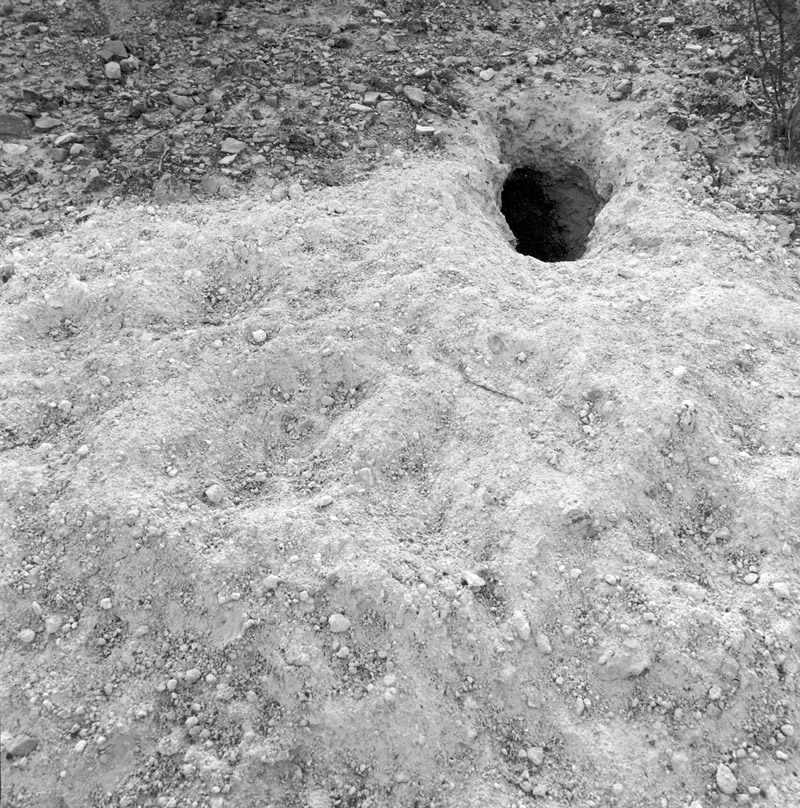
Paola Dávila
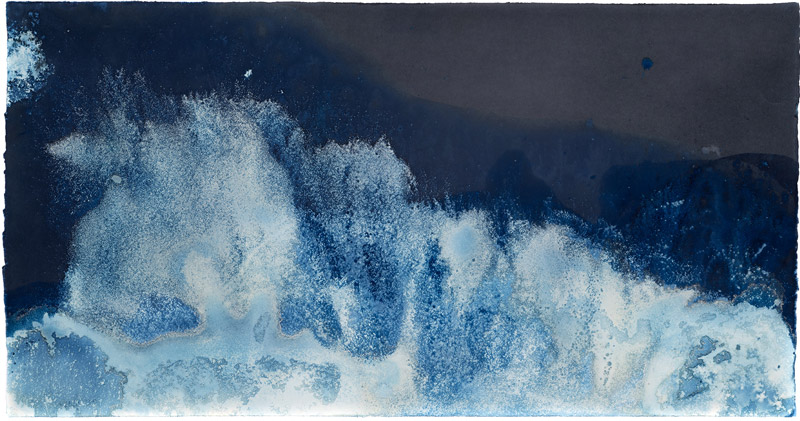
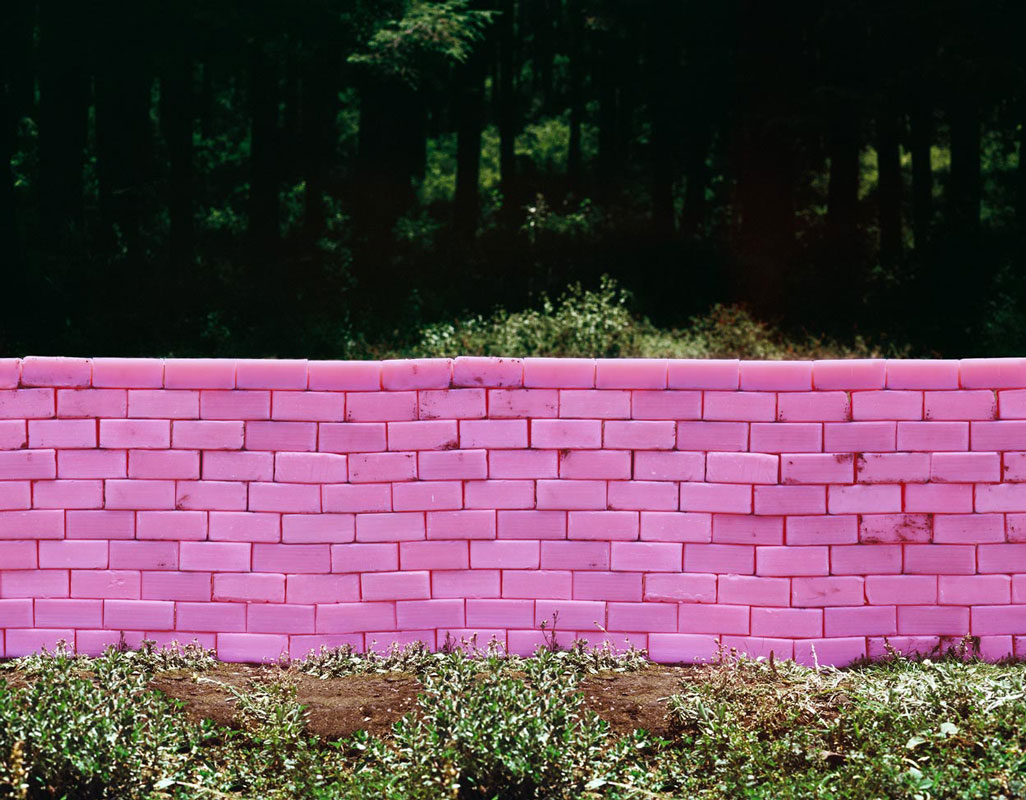
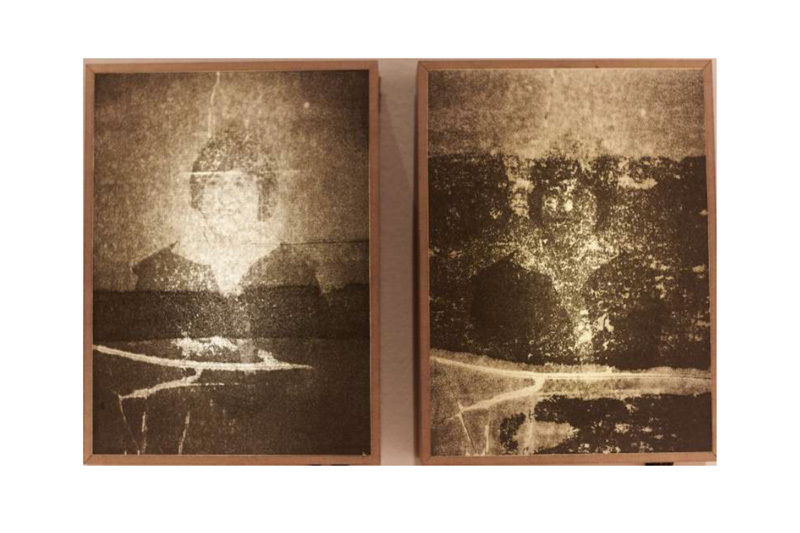
For Paola Dávila, inhabiting is a process of returning to oneself: a form of refuge that does not depend on walls, but on bonds. It is built through reciprocity and mutual recognition with the environment, requiring time, respect, and care.
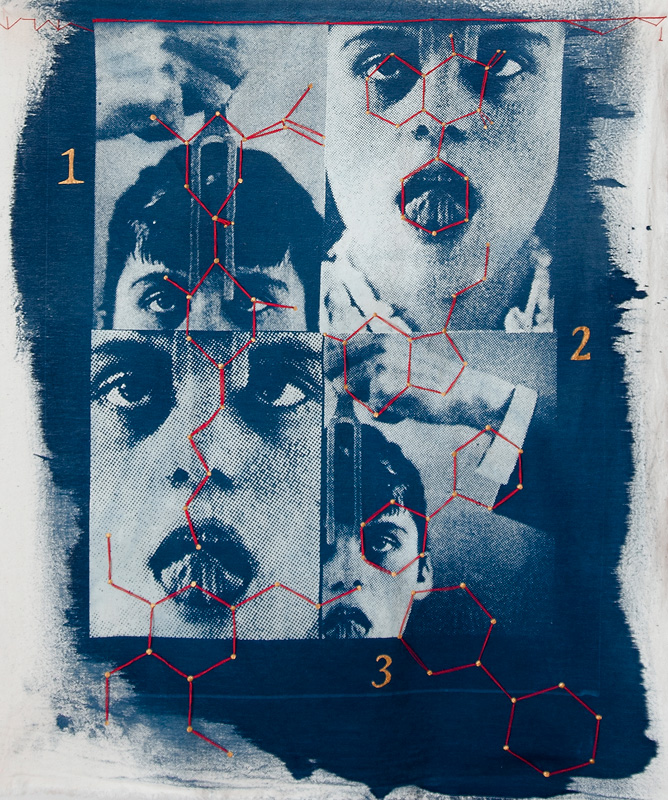
This selection showcases her exploration of the tensions emerging between various ways of inhabiting: the natural and the human, the intimate and the regulated, the exterior and the interior. Through these relationships, Dávila points to the distance between imposed ways of being and the affective experience of making a space one’s own, where the boundary between inhabiting and occupying becomes visible.
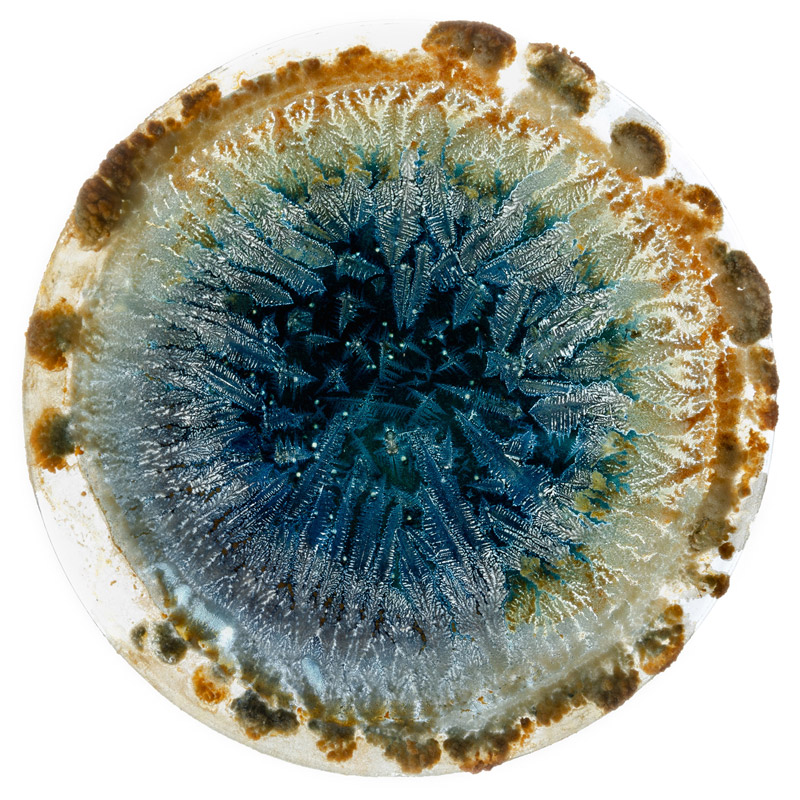
Within this transition, her practice shifts from camera-based photography to contact-based processes, using cyanotypes and natural chemical processes involving water, as a way of approaching the environment through trace rather than solely through sight.
Paola Dávila
Paola Davila (Oaxaca, Mexico, 1980). Visual artist whose work explores photography and its expansions into other media. Her practice investigates home, inhabitation, intimacy, and landscape, examining inner and outer spaces and their boundaries, proposing new ways to understand intimate environments through gender and socioeconomic perspectives.
Her practice has been recognized with awards such as the XIX National Photography Biennial Award at Centro de la Imagen (2021), the National Photography Award at the Visual Arts Biennial of Yucatán (2002), the Acquisition Award of the Fourth Arte Libertad Competition (2002). A FONCA Foreign Residencies and BANFF Centre grantee, her research-based projects have also been supported by the Tierney Foundation and by international residencies such as Art/Sci Summer Lake in Oregon and La Wakaya Current: Desert 23°S in the Atacama Desert.
Her work has been exhibited in sixteen solo shows and more than forty group exhibitions in Mexico and abroad. Since 2020, she has been a member of the National System of Art Creators (FONCA).
She holds an MFA in Visual Arts from the National Autonomous University of Mexico (UNAM).
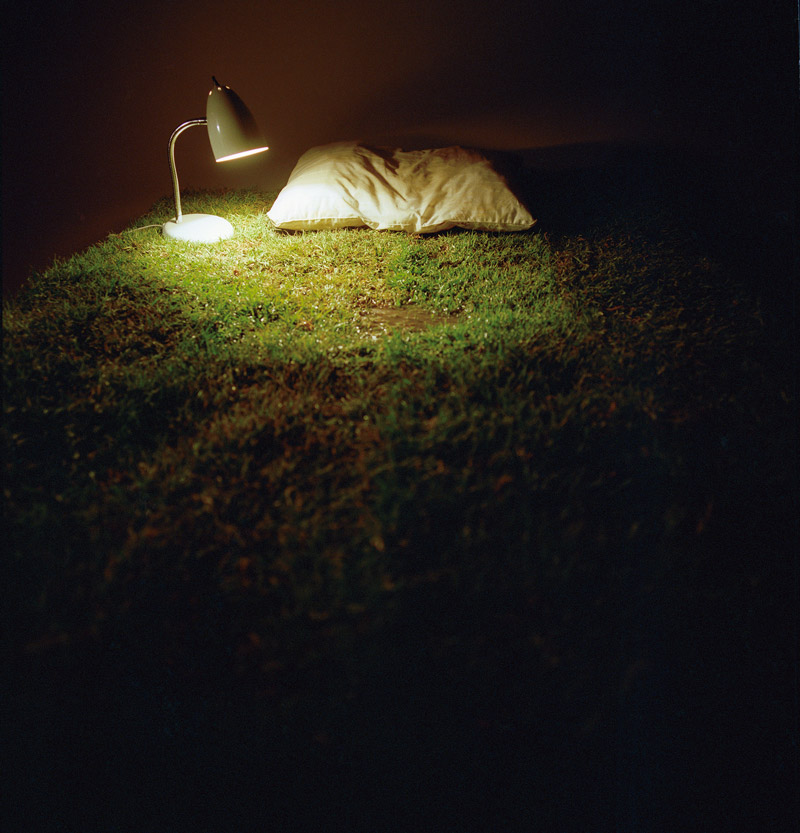
Daniela Edburg
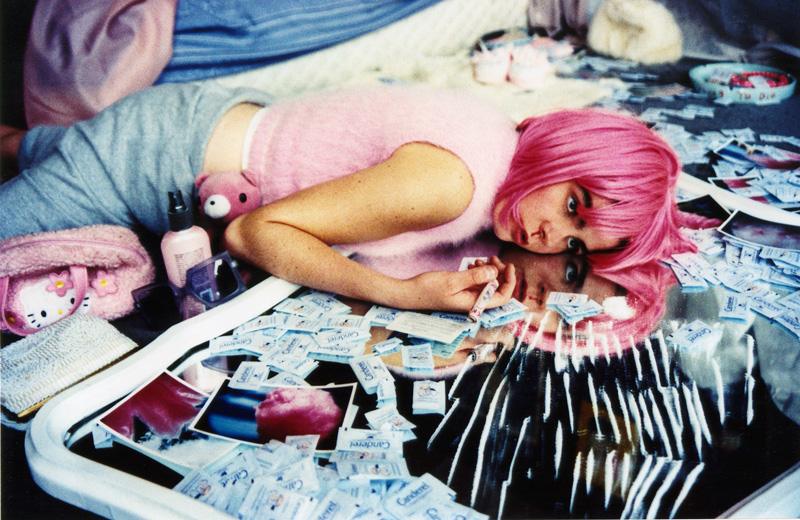
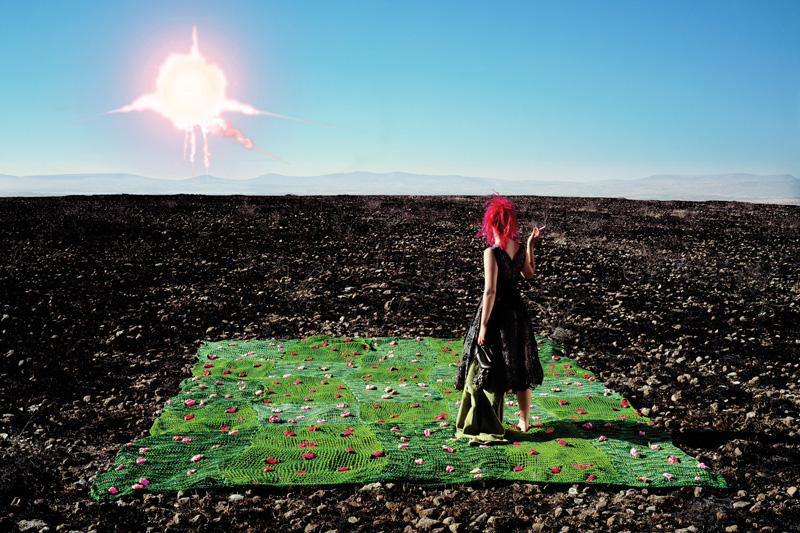
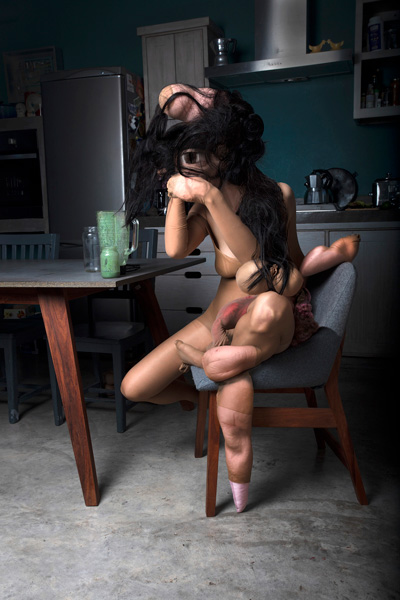
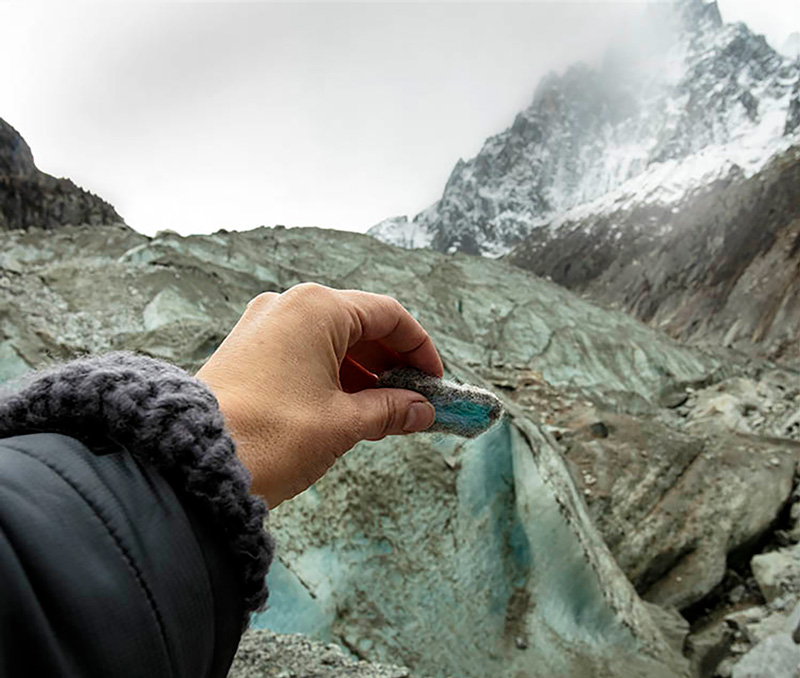
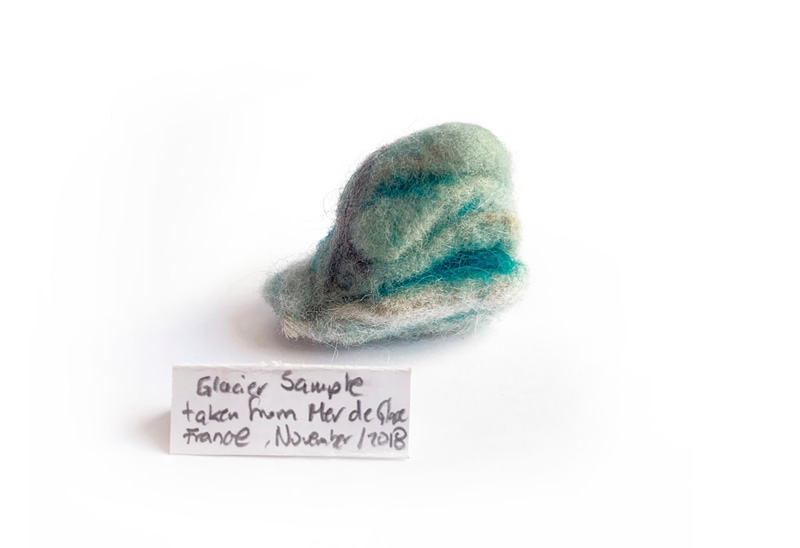
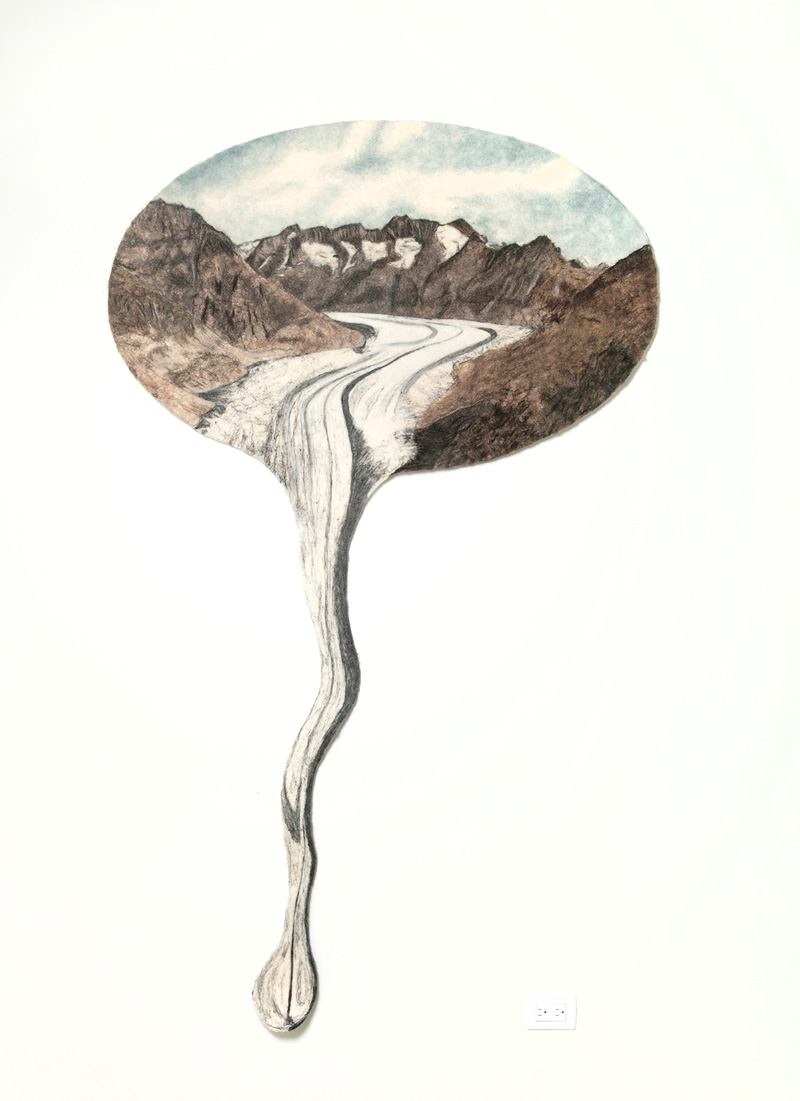
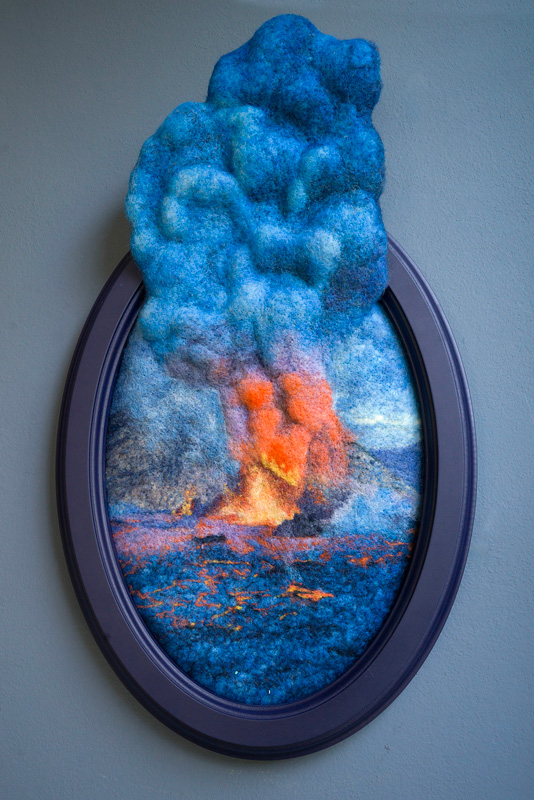
In Daniela Edburg’s work, a latent threat embedded in the everyday reveals the vulnerability of her characters—mostly women alone—when confronted with impulses, often internal, that exceed their control: an excessive desire, unrestrained creativity, ruminative thought, or autoimmune illness. These impulses propel them toward death, an escape from reality, or a state of crisis that signals transformation. As her interest in landscape has grown, this threat has shifted from the body toward environmental collapse, understood as a metaphor for pain, loss, and change.
A range of representational strategies is presented, spanning from staged photography to reproductions made in tufted wool. This material—previously associated with safety, creation, or obsession—becomes here a medium for producing what Edburg terms “handmade fictions,” while also exploring the sculptural possibilities of the photographic.
Daniela Edburg
Daniela Edburg (Houston, Texas, 1975). Texan-Mexican artist who explores the connections between science, nature and fiction, mainly through textile and photographic art. Seeking to create connections when feeling out of place, Daniela has done artist residencies in Iceland, Spain, France, the Rocky Mountains of Canada and the United States, thanks to the repeated support of the National Fund for Culture and the Arts of Mexico and institutions like the Museé du Quai Branly and the Art Museum of Denver as well as independent spaces such as Cherryhurst House in Houston, Texas.
Her work has been acquired for public collections such as the Col- lection of the Art Museum of the Americas in Washington D.C, the Museum of Latin American Art in California, the Museum of Fine Arts Boston, The Denver Art Museum and San Diego MOPA in the United States and the Astrup Fearnley Museet in Oslo, Norway.
Daniela is a fellow of the National System of Creators with the support of the National Fund for Culture and the Arts of Mexico (FONCA) since 2017 and is a Member of Taller30 since 2019.
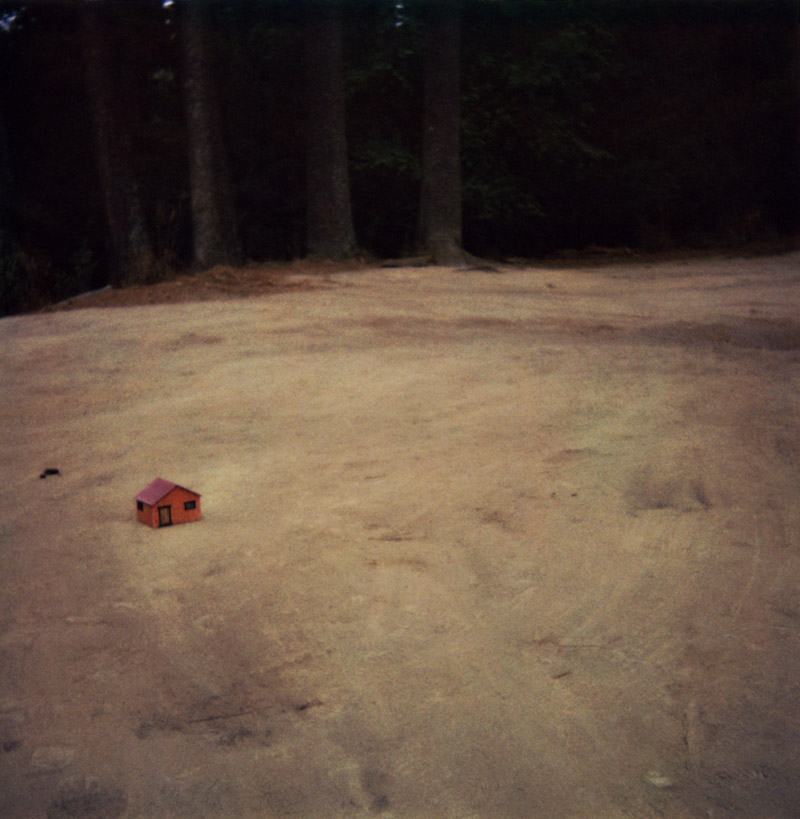
Adela Goldbard
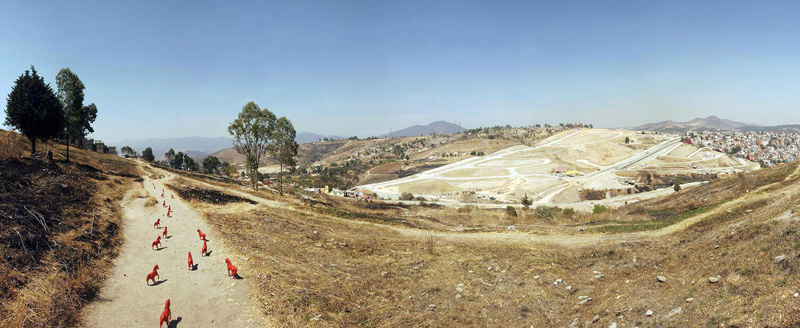
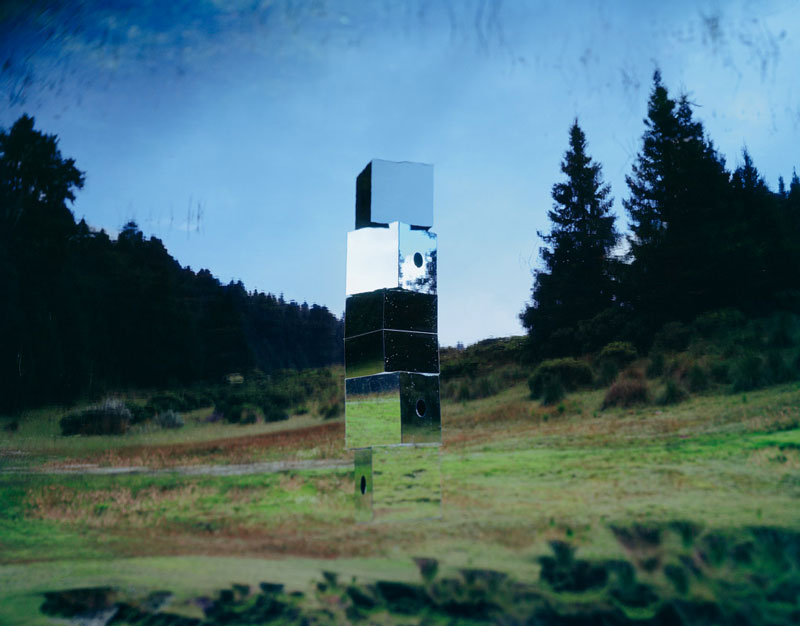
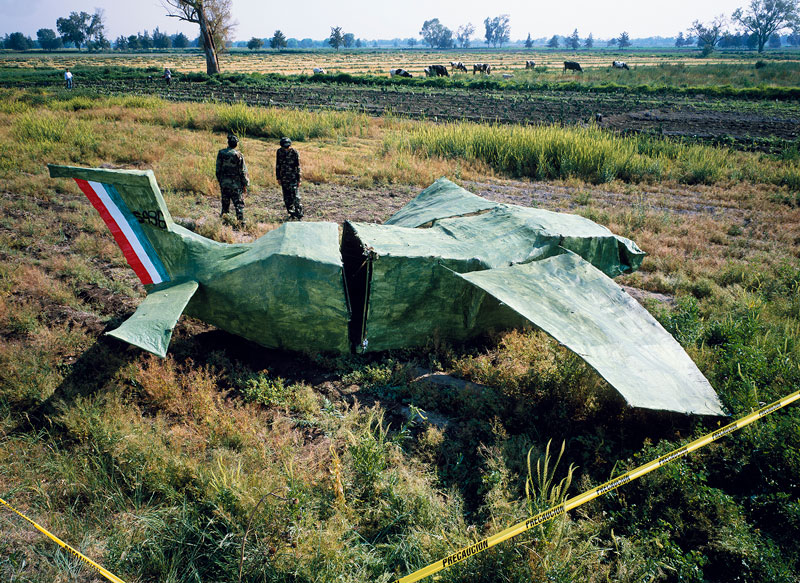
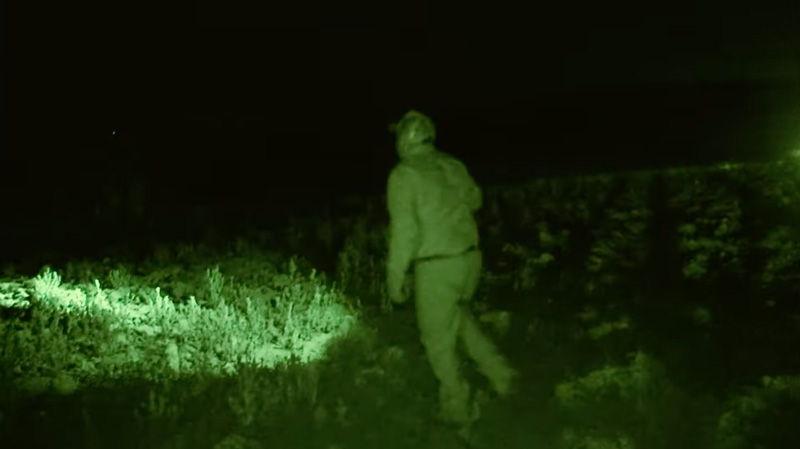
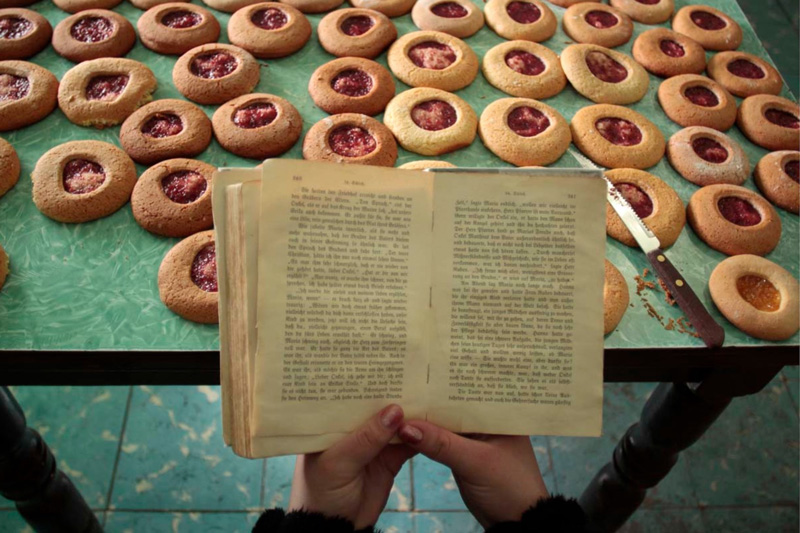
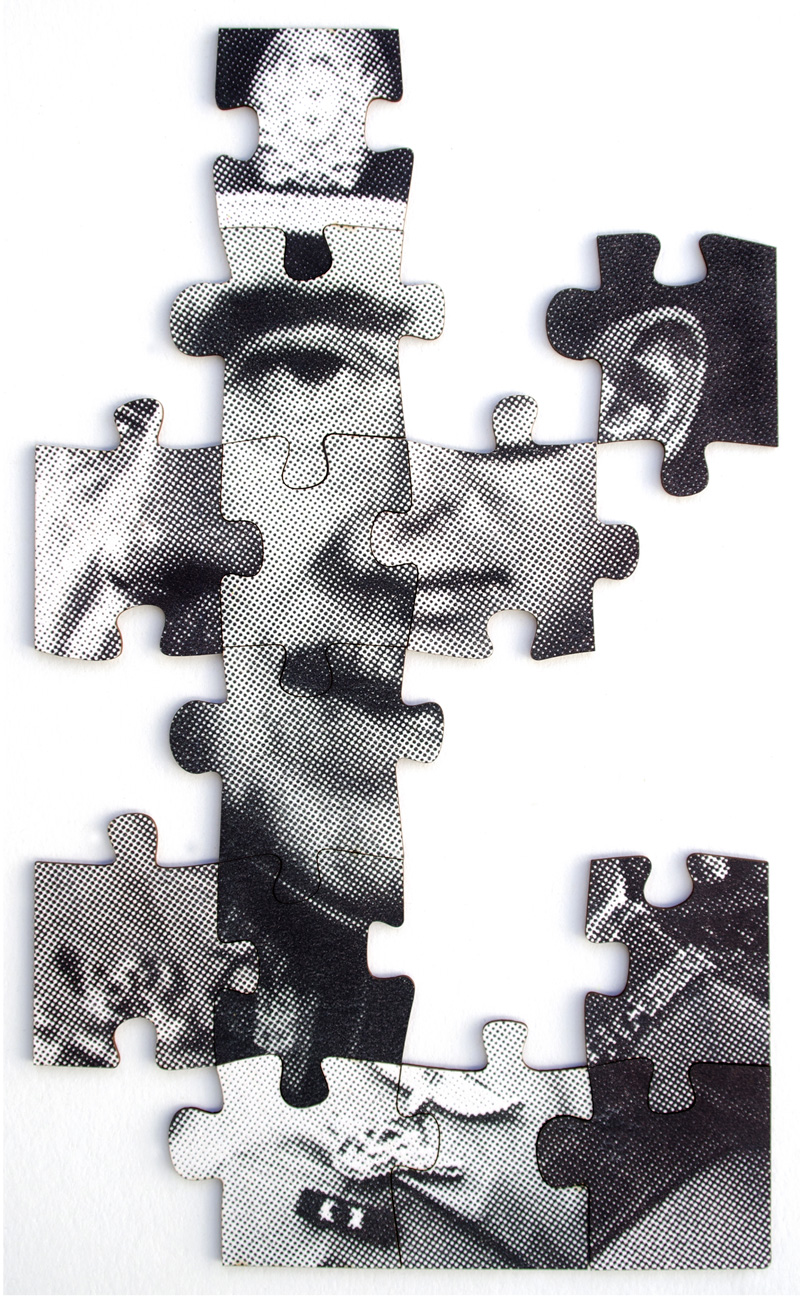
If there is one constant in Adela Goldbard’s practice, it is her insistence on making us doubt. In an early phase of her work, grounded in photography, she intervened in the landscape and employed optical illusions to destabilize our perception of reality. Her subsequent engagement with histories of violence marked a political turn, leading her toward ethnographic research processes that involve interviews, collaboration, and direct work with the individuals whose stories she addresses.
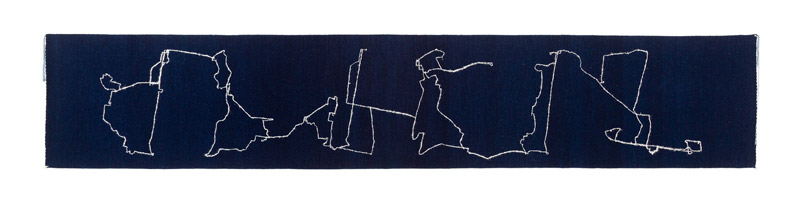
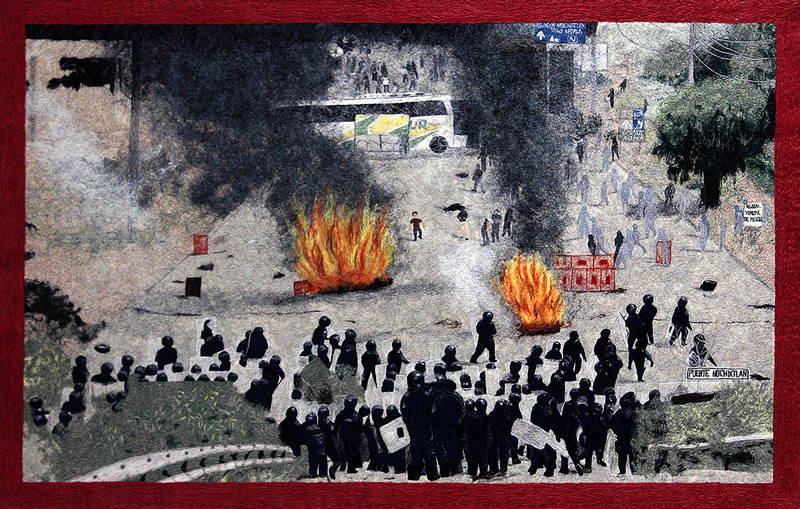
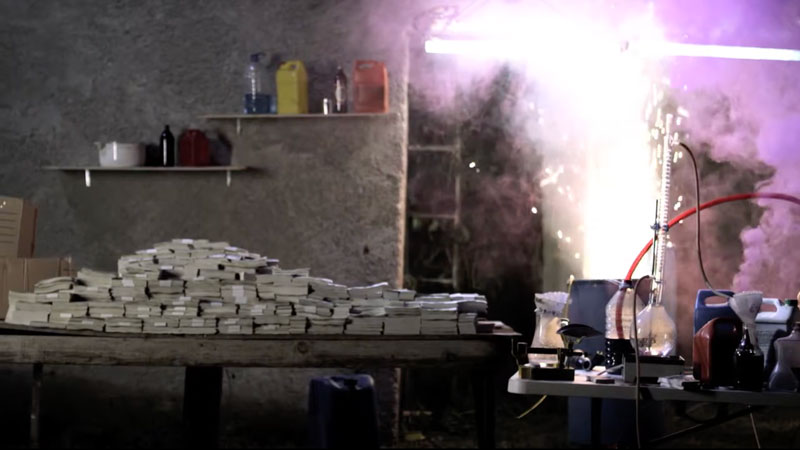
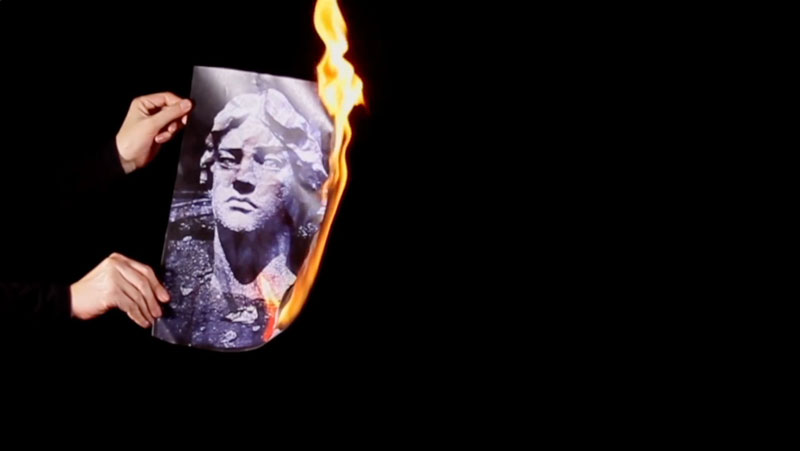
In this transition, video displaced photography as the primary medium for documenting performative actions in which she uses pyrotechnics to recreate political events, functioning as metaphors for catharsis and social purge. These ephemeral acts also operate as a means of restoring collective memory and exposing the degree of artifice involved in the construction of reality. In parallel, Goldbard began reproducing images from the press—and more recently from surveillance cameras—into textile works.
The selection presented here spans from her early landscape interventions to recent performative recreations, underscoring her sustained interest in questioning what we see and the narratives that support it.
Adela Goldbard
Adela Goldbard (Mexico City, Mexico, 1979). Is an interdisciplinary artist-scholar and educator from Mexico. She is a full-time professor in the Department of Design at the Rhode Island School of Design (RISD). Goldbard investigates how radical community performances can subvert the imposition of hegemonic narratives, and how performances of violence and destruction can become aesthetic tools of resistance against power.
Recent commissioned projects include a pyrotechnic play with/for the Mexican community of La Villita, Chicago (Gallery 400, University of Illinois, 2019-20), and a socially engaged art project with/for the P’urhépecha community of Arantepacua (FEMSA Biennial, 2020-21). She is currently working on a long-term participant project in the Peruvian Andes.
She holds an MFA as a Full Merit Fellow in Sculpture from the School of the Art Institute of Chicago (SAIC) and a bachelor’s degree in Hispanic Language and Literature from the National University of Mexico (UNAM). She is currently pursuing a PhD in Humanities at Concordia University.
Adela Goldbard
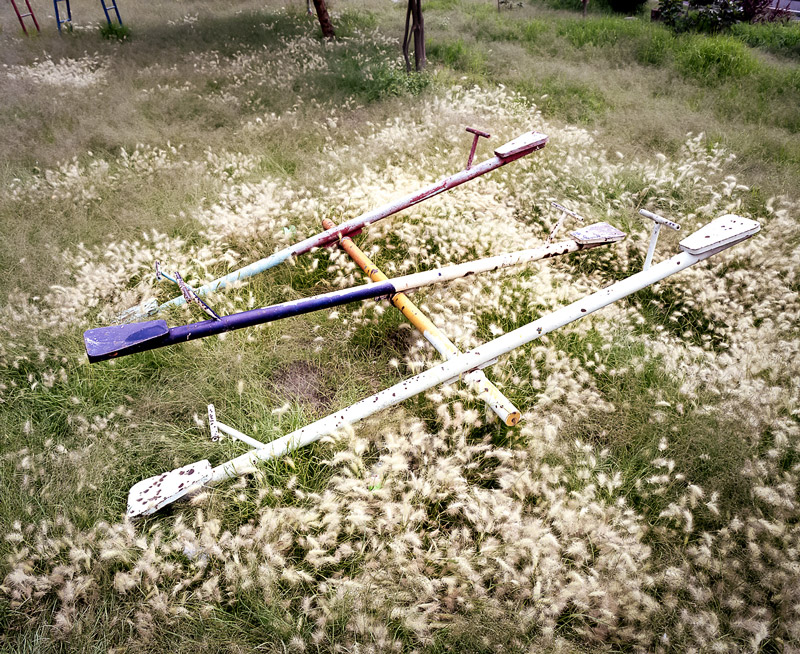
Eunice Adorno
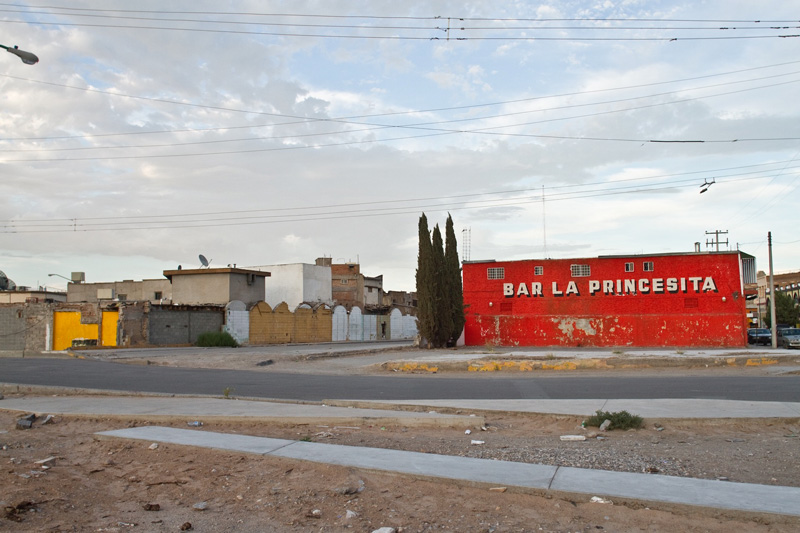
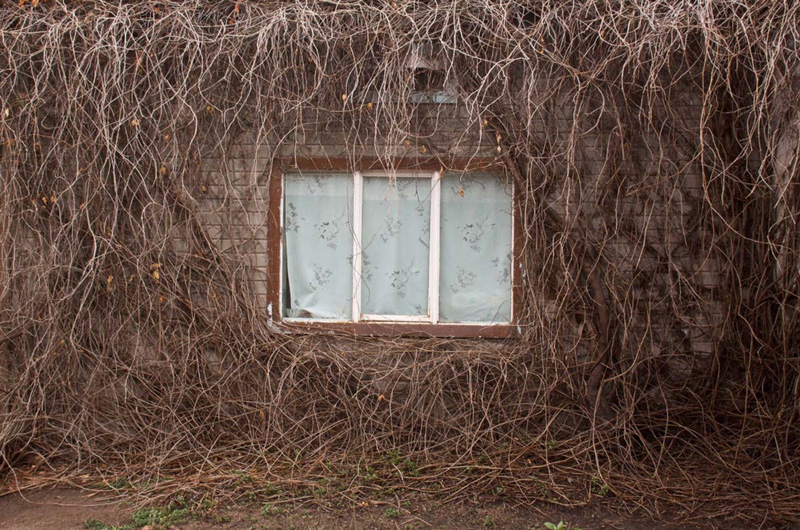
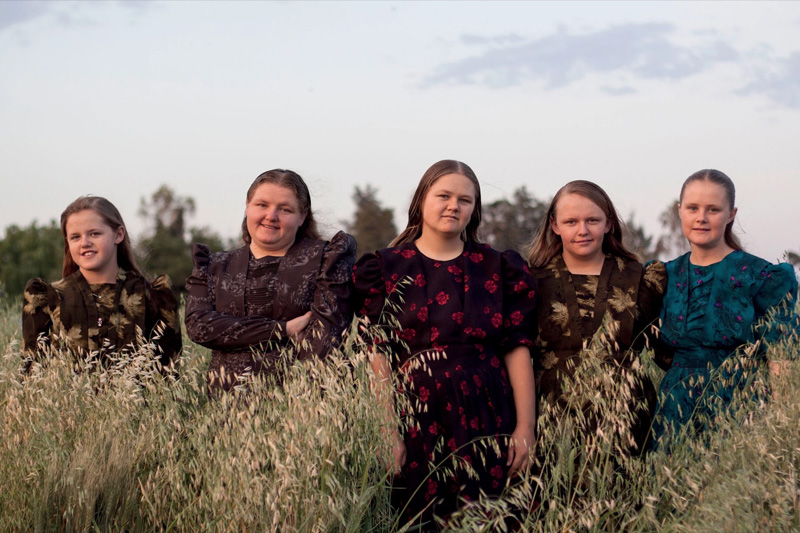
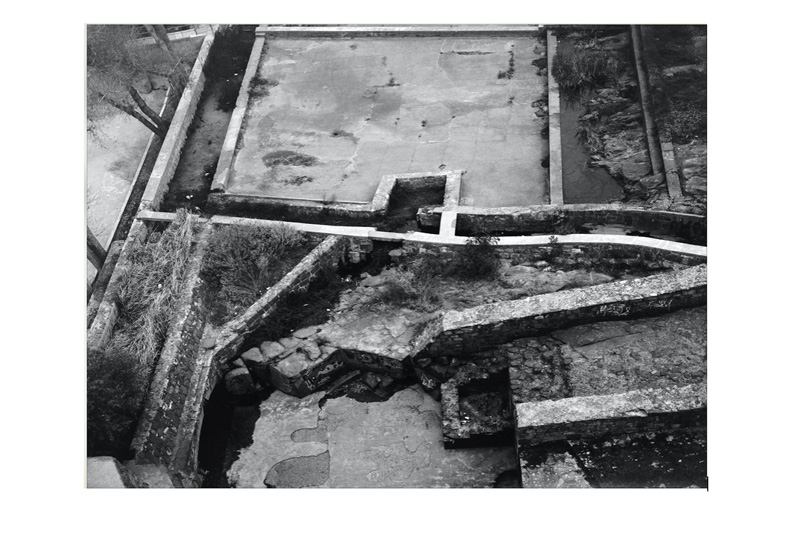
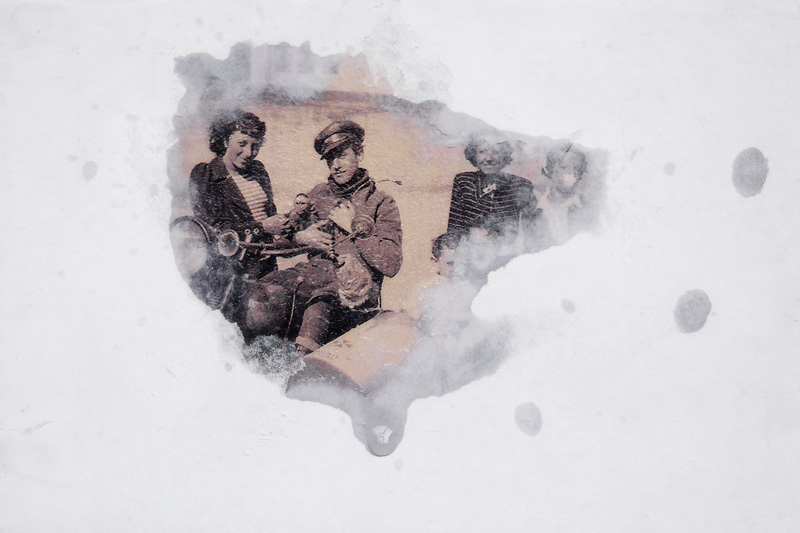
Eunice Adorno’s work centers on that which fades or is on the verge of disappearance—specters of the past that insist on becoming visible. Her gaze turns toward forms of transgression against normative structures and toward vestiges of places, histories, or marginal practices in which she identifies gestures of resistance. To reinterpret the past and bring absent histories into view, her recent work combines the recovery and intervention of archives with the photographic documentation of ruined spaces.
This selection traces her early series on the abandonment of Ciudad Juárez in the face of fear and violence; women who defy prescribed gender roles—such as Mennonite women and anarchist women rendered invisible in the history of the Mexican Liberal Party—as well as her ongoing project on the history of water, explored through documents and hydraulic ruins that reveal an unfinished modernity.
Eunice Adorno
Eunice Adorno (Mexico City, 1982). Photographer and visual artist whose work explores stories rooted in communities, landscapes, and regions of Mexico that maintain a persistent relationship with the past.
She is the author of Las mujeres flores (La Fábrica, 2011), Casa Estudiantil Octubre Rojo (Ediciones Sin Resentimiento, 2020), and Desandar (Gato Negro Ediciones, 2025). Her work has been exhibited widely in Mexico and internationally and she has participated in numerous photography festivals.
She was a recipient of the Jóvenes Creadores grant from FONCA on three occasions and received the Fernando Benítez National Culture Award in 2010 for her photographic essay Las mujeres flores. She was an artist-in-residence at the International Studio & Curatorial Program in New York (2011), and is currently a member of the National System of Art Creators.
Cecilia Hurtado
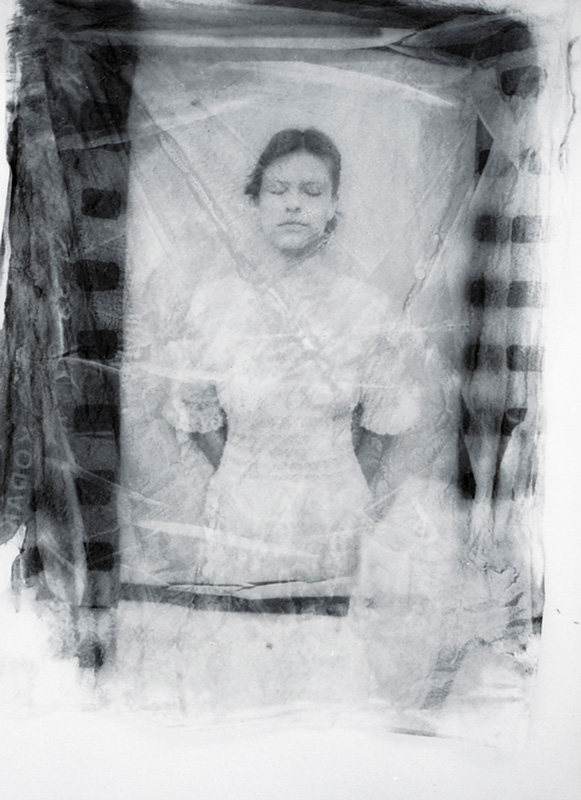
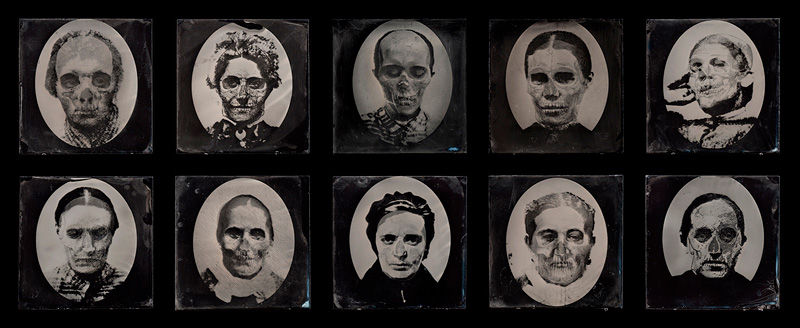
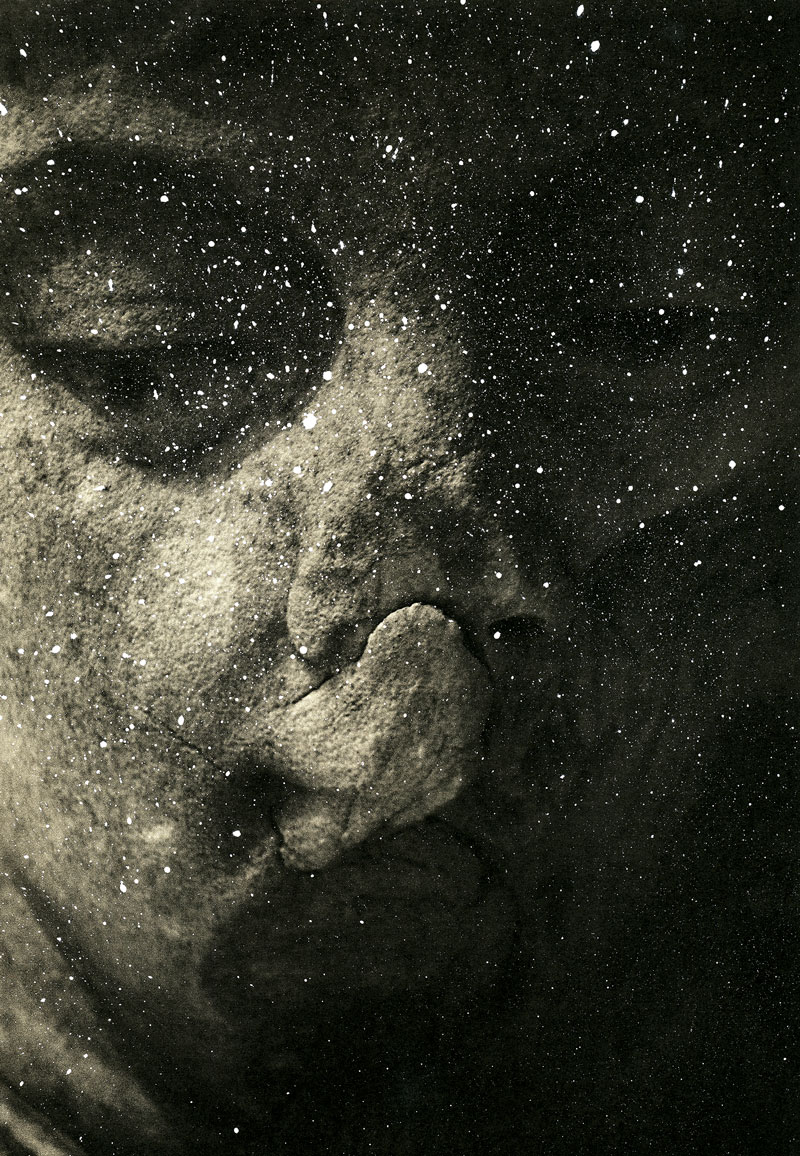
Cecilia Hurtado’s practice has long revolved around absence, identity, and their relationship to memory. Initially, she explored these connections through self-representation and familial bonds, as a means of investigating her own origins. She later expanded this inquiry toward historical memory through symbols and monuments, with particular attention to the imagery of violence and power embedded in scientific and political spheres.
Her work is characterized by constant experimentation with materiality—scratching, burning, sewing, painting. The appropriation of archival material and the juxtaposition of images have become central strategies through which she seeks to activate new meanings and establish dialogues between past and present.
Cecilia Hurtado
Cecilia Hurtado (Mexico City, 1983). Studied digital photography at the Grisart School of Photography in Barcelona, Spain, participated in creative workshops at Centro de la Imagen in Mexico City, and completed formal photography studies at the Instituto Cultural Cabañas in Guadalajara, Jalisco.
She has participated in over forty group exhibitions and twenty solo exhibitions in Mexico and abroad. Her work has received numerous awards and grants in Mexico and Spain. She has been a member of Mexico’s National System of Art Creators since 2012. She currently collaborates on research and educational projects focused on contemporary photographic practices while continuing to develop her own artistic work.
Cecilia Hurtado
Johan Trujillo Argüelles (Mexico City, 1983) is a cultural manager, educator, and image theorist. She served as Director of the Centro de la Imagen from 2020 to 2024. Her work explores the image as an affective and sensory experience, deeply influenced by the legacy of blind photographer Gerardo Nigenda, whose practice she has examined through exhibitions, writings, and public lectures. She is the author of “Triálogo” (2023), a photobook shortlisted for the Prix du Livre at Les Rencontres d’Arles 2024. Trujillo Argüelles has contributed to the international photography community as a jury member, award nominator, and portfolio reviewer at festivals in Mexico and abroad.